✌️ The Sign That Spoke Louder Than Words
You’ve seen it everywhere — on T-shirts, protest posters, social media, and even jewelry. The peace symbol feels timeless, universal, and instantly recognizable.
But have you ever stopped to ask, “What does the peace symbol really mean?”
Much more than a design, the peace sign carries decades of history, emotion, and activism. It represents humanity’s ongoing hope for harmony — a simple image with a story that began in the midst of nuclear fear and war protests.
Today, the symbol continues to evolve, from a political statement to a global icon of kindness, empathy, and unity.
🕊️ What Does the Peace Symbol Mean?
At its core, the peace symbol stands for nonviolence, harmony, and the desire for a world without war.
It became a universal sign of peace during the mid-20th century, but its meaning has grown far beyond that.
For some, it reflects inner peace and spiritual calm, for others, anti-violence and human rights, and for many, it simply says: “Choose compassion over conflict.”
The symbol’s beauty lies in its simplicity — three lines enclosed in a circle — yet within it lies decades of activism and hope.
🕰️ Origin of the Peace Symbol
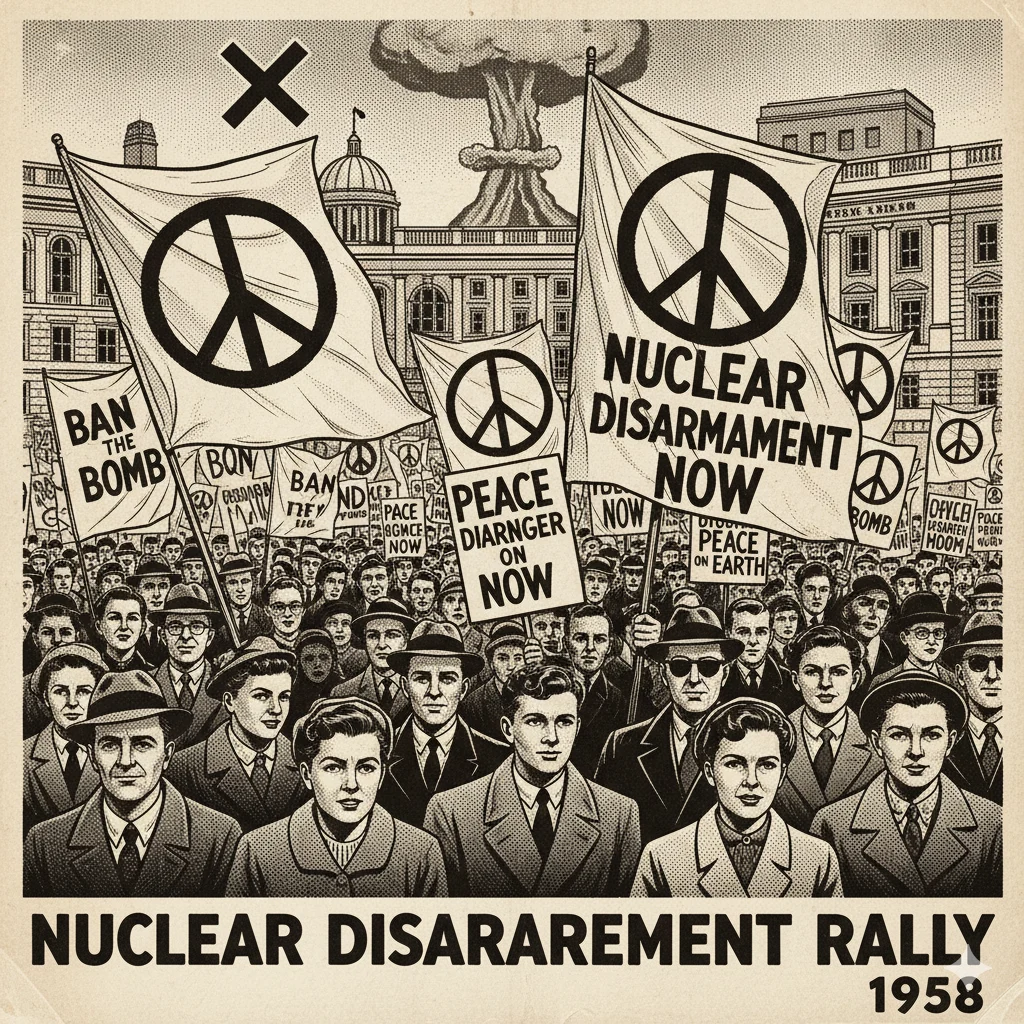
The peace symbol was created in 1958 by British artist and designer Gerald Holtom.
At the time, Holtom was working with the Campaign for Nuclear Disarmament (CND) — a group protesting the British government’s decision to continue developing nuclear weapons.
Holtom, a graduate of the Royal College of Art, designed the symbol as part of a banner for the Aldermaston March, a protest from London to a nuclear research facility in Berkshire.
He combined the semaphore (flag signaling) letters N and D, standing for “Nuclear Disarmament.”
- The letter N is represented by a person holding two flags pointed downward at 45 degrees.
- The letter D is represented by one flag pointed straight up and one pointed straight down.
When these shapes are superimposed inside a circle — symbolizing the world — the result is the peace symbol we know today.
Holtom described the design as not just letters, but a man “in despair, with arms outstretched downward.”
A haunting yet hopeful image — sorrow for humanity’s violence, yet yearning for peace.
🌈 The Peace Symbol in the 1960s: From Protest to Pop Culture
The 1960s turned the peace sign from a protest emblem into a global cultural movement.
It became synonymous with the anti-war protests during the Vietnam War and was quickly adopted by the hippie movement.
Marches, posters, and songs like “Give Peace a Chance” carried the symbol into the collective conscience of an entire generation.
Artists, musicians, and civil rights leaders embraced it to symbolize love, equality, and freedom.
By the 1970s, it had become fashionable, appearing on jewelry, clothing, and artwork — proving that a message of peace could exist not only on banners but also in everyday life.
💬 Cultural and Spiritual Interpretations
Over time, the peace symbol transcended politics and entered the realm of personal and spiritual meaning.
- Spiritual Balance: Many see the circle as representing wholeness, eternity, or the Earth — a reminder of unity and oneness.
- Inner Peace: The downward lines evoke stillness and reflection — like arms resting in meditation.
- Global Connection: The symbol’s universal shape requires no translation. It’s a bridge between cultures and languages.
From yoga studios to social media avatars, the peace sign continues to evolve as a symbol of mindfulness and global compassion.
⚡ Controversies and Misinterpretations
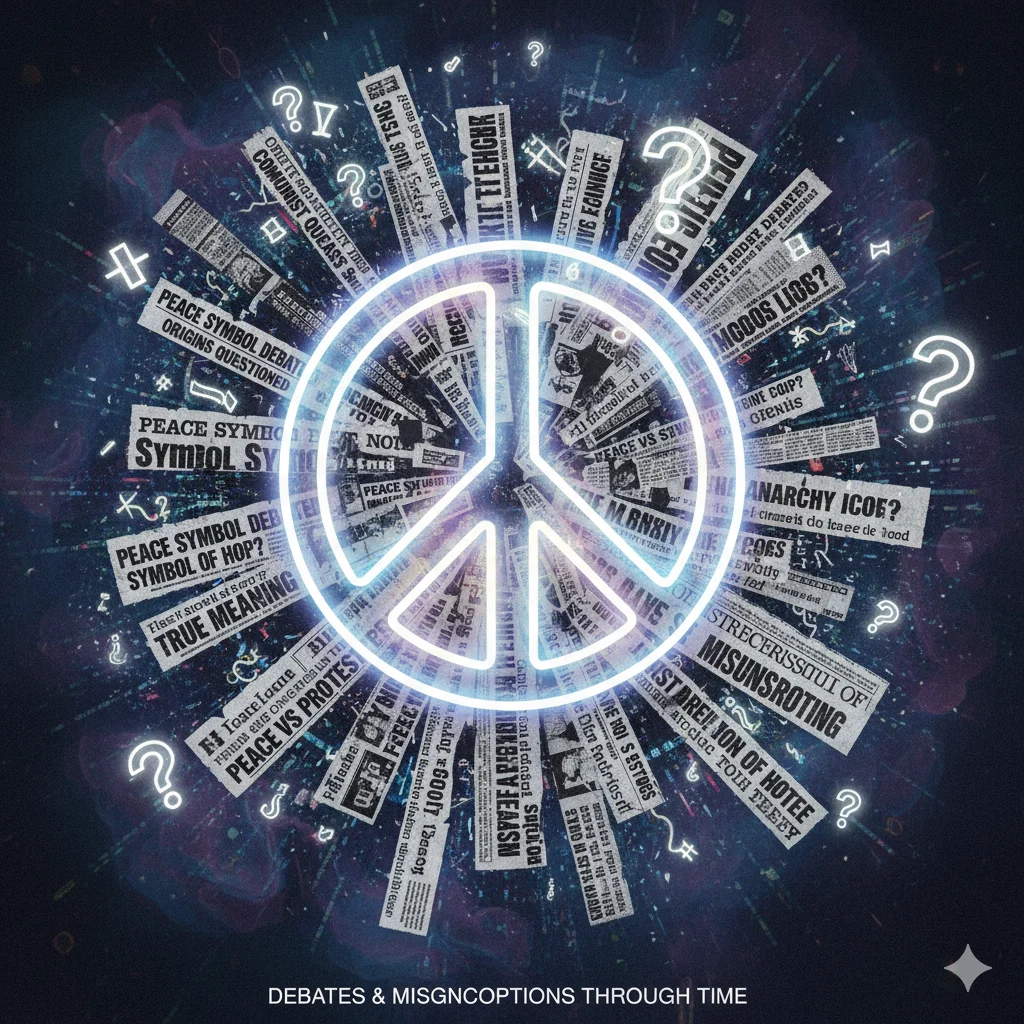
Despite its positive message, the peace symbol hasn’t always been universally accepted.
In some eras, it faced backlash and even false accusations.
During the Cold War, critics claimed it was a sign of communism. Others linked it (incorrectly) to satanic or anti-Christian symbols due to its inverted shape.
In truth, Gerald Holtom himself explained that the symbol was never tied to religion or politics — only to peace and humanity.
These misunderstandings highlight an important truth: symbols evolve based on how people use and interpret them.
While it began as an anti-nuclear emblem, it became a mirror of society’s changing hopes and fears.
🌍 The Peace Symbol in Modern Times
Today, the peace sign is as relevant as ever.
It appears in climate marches, social justice campaigns, and online movements that call for equality and compassion.
Social media users employ the ✌️ emoji as a quick expression of “peace out” or “no drama.”
Brands use it to signal kindness, inclusivity, and sustainability.
In an age of digital noise, the peace symbol stands as a visual breath — a pause for calm and unity.
It’s also a favorite in fashion again — from streetwear prints to influencer bios — showing how a design born in protest still resonates in pop culture.
💭 Psychological Meaning: Why the Peace Symbol Feels So Powerful
The peace sign triggers positive emotion because it represents hope, empathy, and safety.
Psychologists suggest that symbols work like emotional shortcuts — they convey powerful messages faster than words ever could.
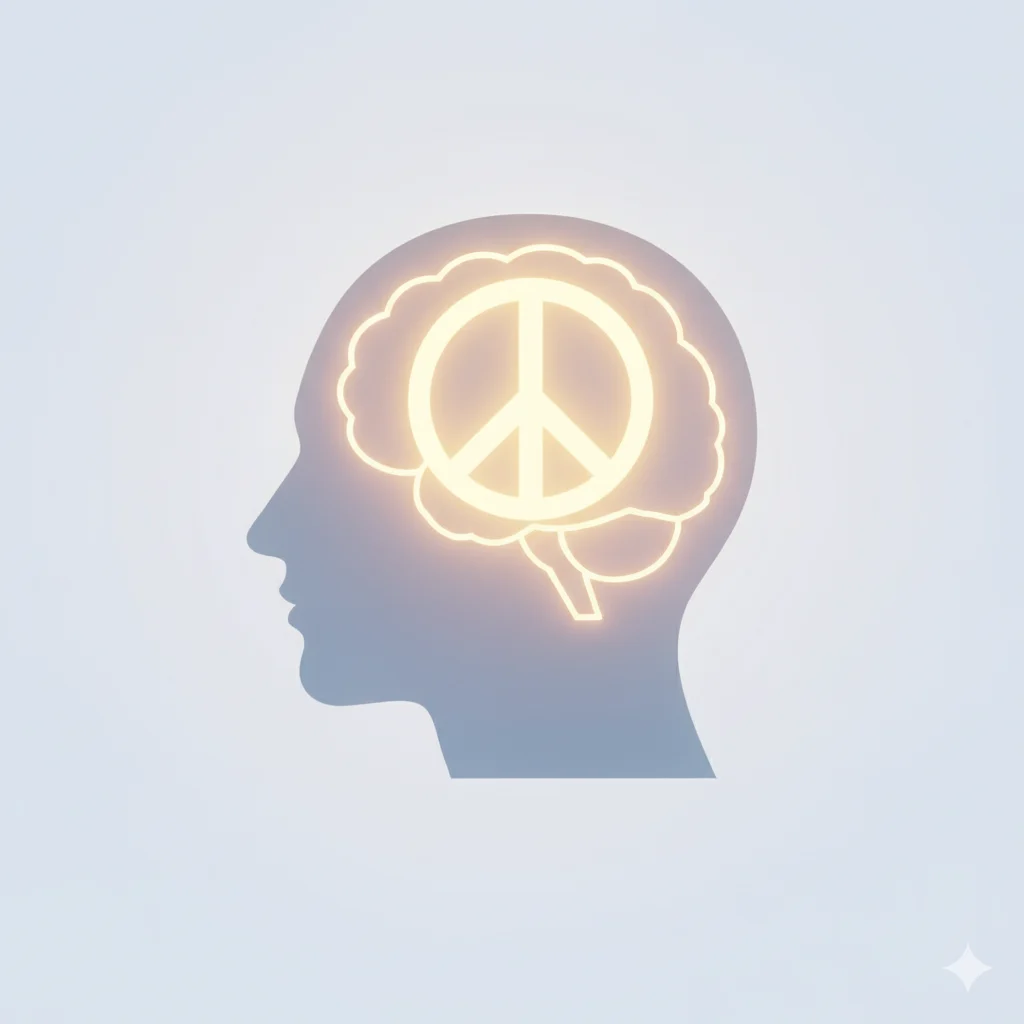
Seeing a peace sign can lower tension, remind us of connection, and even influence mood — especially when associated with warm memories of kindness or activism.
This is why educators, artists, and therapists often use peace imagery in schools and workshops to foster emotional healing and cooperation.
❓ FAQs About the Peace Symbol
1. Who designed the peace symbol?
The peace symbol was designed by British artist Gerald Holtom in 1958 for the Campaign for Nuclear Disarmament.
2. What do the lines in the peace symbol stand for?
They represent the semaphore signals for the letters N and D — short for “Nuclear Disarmament.”
3. Is the peace symbol religious?
No. It has no religious origin. It was created as a humanist symbol of nonviolence and unity.
4. Why do some people think it has negative meanings?
Misinterpretations arose during the Cold War, but none were based on fact. It’s universally recognized today as a sign of peace.
5. How is the peace symbol used today?
From protests and art to emojis and jewelry, it remains a global icon of peace, hope, and equality.
🕊️ Final Thoughts: Why the Peace Symbol Still Matters
More than six decades later, the peace symbol remains one of the world’s most powerful emblems of unity.
It reminds us that real strength lies not in domination, but in understanding — not in division, but in compassion.
As global tensions rise and societies change, the peace sign continues to whisper the same timeless message:
“Be kind. Seek harmony. Believe in peace.”
And maybe that’s why it endures — because, deep down, it speaks to something every human desires: a world at peace with itself
Oscar Wilde combined wit, beauty, and deep symbolism to reveal the spiritual contrasts of human life. His works often reflect the journey of the soul — from desire and art to truth and redemption. Wilde’s timeless reflections remind readers that beauty and wisdom are paths to understanding the divine within.