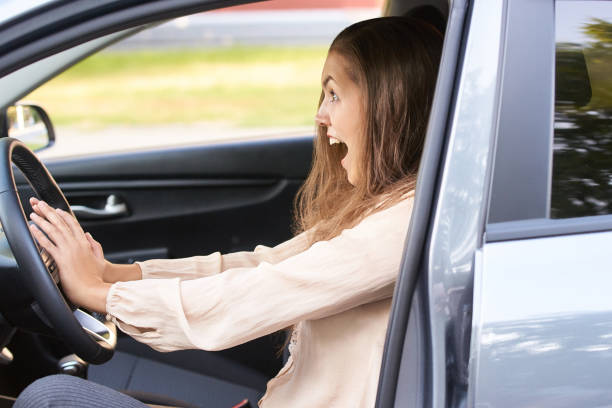
You got into the car expecting a routine ride, then everything changed in seconds. After a rideshare crash, most people are left with the same knot of questions. Who pays for your medical care? Does Uber or Lyft cover you? What happens if the other driver caused the wreck? If you are hurt, the stress gets heavier fast because bills show up before the insurance answers do. Visit our website for more information.
Rideshare accidents in Utah are different from ordinary car wrecks because several insurance policies may be involved at once. The driver may have personal coverage, the rideshare company may have a large commercial policy, and another driver may also be responsible. Your claim often turns on one detail, whether the app was off, on and waiting for a ride, or actively carrying you as a passenger. That status can decide which policy applies and how much coverage is available.
Uber and Lyft passenger claims depend on the driver’s app status
If you were a passenger in an Uber or Lyft, you were usually in the strongest insurance position available in a rideshare claim. When a driver is transporting a passenger or heading to pick one up, Uber and Lyft generally provide substantial third party liability coverage. That can matter when injuries are serious and a personal auto policy is not enough.
Utah regulates transportation network companies through the state, and the Utah registration requirements for transportation network companies help show that Uber and Lyft operate under a separate legal framework from ordinary private drivers. That does not mean your claim is simple. It means there may be another layer of coverage, reporting, and documentation.
The problem is that insurance companies rarely step in and pay without checking every detail. They want the trip records, the police report, medical records, witness statements, and proof of when the ride began. If there is any gap in the timeline, the carriers may point at each other and argue over who is first in line to pay. You are still hurt while they sort that out.
Insurance disputes after a rideshare crash can delay payment
A common mistake is assuming the Uber or Lyft logo settles everything. It does not. If another driver caused the crash, that driver’s insurer may be the first target. If the rideshare driver caused it, the rideshare company’s policy may apply. If both drivers share fault, the claim can split across multiple carriers. Each one may try to reduce what it owes.
You may also run into injuries that look minor at first and get worse days later. Neck pain, back pain, headaches, and numbness often show up after the adrenaline wears off. If you gave a quick statement at the scene saying you felt fine, an insurer may use that against you even when your medical records later tell a different story.
Research also shows rideshare safety and insurance issues are under close review. The U.S. Government Accountability Office report on rideshare safety reflects the larger concern around how these services are regulated and how risk is tracked. For injured passengers, that concern feels personal. You are not looking at policy debates. You are trying to recover and avoid paying out of pocket for someone else’s negligence.
Utah rideshare injury claims often involve more than one source of recovery
In a standard crash, there may be one at fault driver and one insurance policy. In a Utah Uber and Lyft accident claim, the path is rarely that neat. Medical payments coverage, uninsured or underinsured motorist coverage, the rideshare company’s liability policy, and another driver’s policy may all matter. Lost wages, future treatment, pain, and limits on daily life should also be part of the claim when the facts support them.
This is where many passengers get shortchanged. The first offer may cover the emergency room bill and little else. It may ignore physical therapy, missed work, follow up imaging, or the fact that you cannot sleep comfortably or lift your child without pain. A claim is not just about the first invoice. It is about the full harm the crash caused.
Handling a rideshare insurance claim alone can cost more than it saves
| Issue | Handling the claim alone | Working with a personal injury lawyer |
| Identifying coverage | You may only pursue one insurer and miss other available policies | All possible policies are reviewed, including rideshare and third party coverage |
| Evidence gathering | Trip data, app status, and recorded statements may be incomplete | Ride records, medical proof, and liability evidence are collected early |
| Valuing damages | Claims often focus on current bills only | Future care, lost income, and pain are included when supported |
| Negotiation pressure | Insurers may push for a quick low settlement | A lawyer can push back and document why a higher amount is justified |
| Fault disputes | You may be blamed without knowing how to respond | Liability arguments are answered with records, witnesses, and analysis |
Uber and Lyft passenger injury claims often look straightforward from the outside, yet the money trail is layered and the evidence window is short. A personal injury lawyer can help protect the claim before those details get lost.
Three steps to protect your rideshare accident claim right away
Get medical care and follow through. Go beyond the scene assessment if you have pain, dizziness, numbness, or stiffness. Keep every follow up visit. Gaps in treatment give insurers an opening to say you were not really hurt.
Preserve proof from the app and the crash. Save screenshots of the trip, driver details, pickup and drop off times, receipts, photos, and all insurer messages. If there were witnesses, get their names and contact information before they disappear from the picture.
Do not rush into a recorded statement or fast settlement. Early offers often come before the full scope of your injury is clear. Review the facts, your treatment plan, and the available coverage before signing anything or accepting payment.
Clear legal help can make a confusing claim feel manageable
You do not need to untangle every insurance layer on your own while you are trying to heal. If you were hurt in a rideshare crash, get guidance, protect the evidence, and make sure the claim reflects the real cost of what happened to you. A personal injury lawyer can help you pursue the coverage available after an Uber or Lyft accident and push for a result that accounts for your medical care, lost income, and recovery.
Read more: https://axprassion.com/why-modern-student-communities-offer-more-than-housing/
https://axprassion.com/why-social-platforms-now-drive-beauty-clinic-marketing-success/
https://axprassion.com/the-rise-of-flash-sales-in-fashions-digital-age/