Keeping your HVAC system in optimal condition is essential to maintaining a comfortable, healthy home environment year-round. Seasonal maintenance helps prevent unexpected breakdowns, improves energy efficiency, and ensures better air quality. Simple steps like regularly changing air filters, inspecting ductwork for leaks, and cleaning vents can make a significant difference. Additionally, checking thermostat settings and ensuring proper insulation around the home can help the system run more efficiently and reduce energy costs. These routine checks not only extend the lifespan of your HVAC system but also reduce the risk of allergens and pollutants circulating indoors.
Scheduling professional inspections at the start of each heating and cooling season can catch potential issues before they become costly problems. A licensed HVAC contractor North Carolina can perform thorough system evaluations, including checking refrigerant levels, testing electrical connections, and inspecting the furnace or AC unit. Regular seasonal maintenance supports a healthier living environment and reliable year-round climate control.
Spring & Summer Maintenance
As temperatures begin to rise, your HVAC system must be in top shape to handle increased demand. Prioritizing spring and summer maintenance will help you keep cool efficiently, even during heat waves.
1. Replace Air Filters
One of the most effective ways to improve air quality and maintain system efficiency is to replace HVAC air filters every 2 to 3 months. Dirty filters make your system work harder and increase energy use, which can be especially problematic during pollen-heavy spring months. Clean filters help remove allergens and improve overall indoor air quality.
2. Clean Outdoor Units
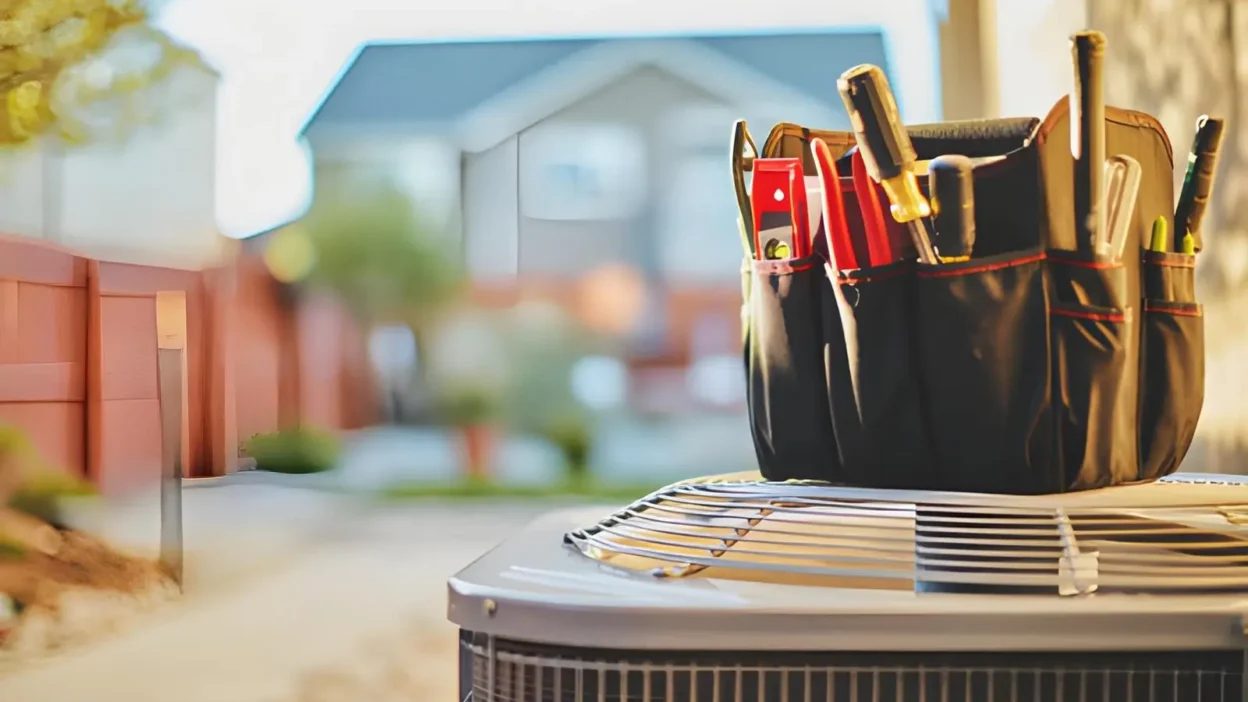
Check around your outdoor HVAC components for twigs, leaves, grass clippings, and other debris. Obstructions can block airflow, forcing your air conditioning to run longer and increasing the risk of mechanical failure.
3. Inspect Refrigerant Levels
Refrigerant is essential for cooling, but leaks or low levels can cause uneven temperatures and damage the compressor. Always have a certified professional check and recharge refrigerant as part of your seasonal routine.
4. Test Thermostat Functionality
Ensure your thermostat accurately reflects your home’s comfort needs. If it’s not functioning properly, it may be time to upgrade to a programmable or smart thermostat for enhanced energy management and convenience. Many programmable thermostats can help save up to 10 percent on heating and cooling costs.
Fall & Winter Maintenance
Before colder weather arrives, there are unique maintenance steps to prepare your heating system for efficient, safe operation during fall and winter.
1. Inspect Heat Exchangers and Burners
Heat exchangers with cracks can release dangerous carbon monoxide into your home. Have a professional inspect this component to prevent life-threatening hazards and costly repairs.
2. Test Carbon Monoxide Detectors
Functional carbon monoxide detectors are crucial for home safety. Change the batteries annually and test the detectors monthly for peace of mind, especially when the furnace is in heavy use.
3. Clean Air Vents and Ductwork
Dirt, pet hair, and dust can build up in air ducts over time, restricting airflow and circulating allergens. Consider professional duct cleaning every three to five years for optimal efficiency and health.
4. Check Blower Motor and Belts
The blower moves air through your system, but wear and tear on the motor or belts can lead to failure. Listen for odd noises and have any problems addressed by a qualified technician before cold weather sets in.
Year-Round Tips
Consistency is key when it comes to HVAC maintenance. Applying simple routines can extend the life of your system and reduce costly surprises.
1. Schedule Biannual Professional Maintenance
Book expert maintenance in both spring and fall. These visits prepare your system for extreme weather and allow technicians to address small issues before they escalate.
2. Seal Leaks Around Windows and Doors
Drafts from unsealed windows or doors make your HVAC system work harder. Use caulk or weatherstripping to maintain a consistent indoor temperature and conserve energy.
3. Keep Outdoor Units Clear
Maintain at least two feet of clearance around all sides of your outdoor HVAC units. This promotes healthy airflow and protects your system from damage caused by debris or overgrown landscaping.
The Importance of Professional Inspections
While DIY care is important, scheduling inspections with a certified HVAC technician ensures nothing is overlooked. Professionals are trained to identify hidden issues, such as electrical faults, refrigerant leaks, or incomplete combustion in furnaces, problems that can remain undetected until they become emergencies.
Conclusion
Consistent and comprehensive HVAC maintenance is a wise investment in your comfort, efficiency, and health. By following seasonal and year-round tips and relying on professional expertise for inspections, homeowners can avoid costly repairs and ensure a safer, healthier home year-round.
Also Read-Comparing Metal Signage: Traditional Crafting vs Laser Cutting Tech