
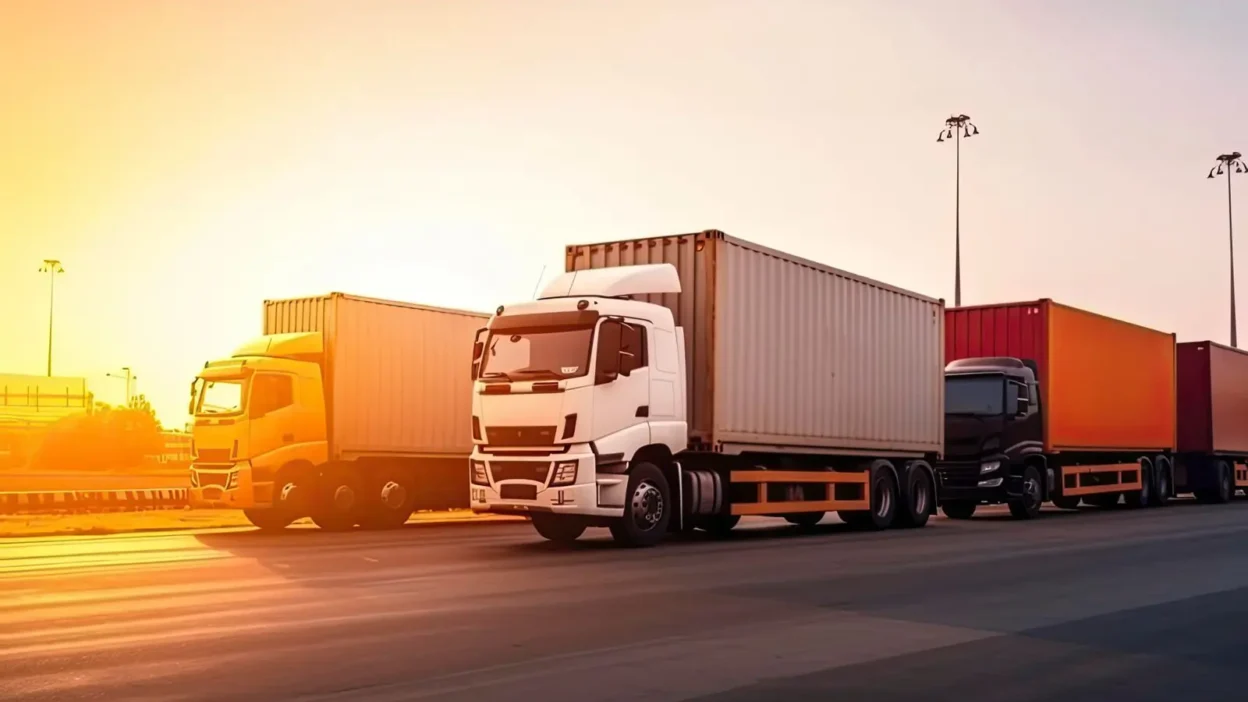
Efficient transportation management boosts supply chain success by optimizing logistics, reducing operational costs, and ensuring on-time delivery.
Have you ever wondered how the products you buy reach stores and eventually your home? The process is more complicated than it seems.
At the heart of this process is something called the supply chain. Efficient transportation management is essential for a successful supply chain, and understanding its role can help us appreciate how our goods arrive at our doorsteps.
Keep reading!
What Is a Supply Chain?
A supply chain is a network that connects various people and processes involved in the production and delivery of goods. It includes everything from the raw materials needed to create a product to the final shipment of that product to a customer.
The supply chain consists of suppliers, manufacturers, distributors, and retailers. Without each part working smoothly together, we would face delays and higher costs.
Importance of Transportation Management
Transportation management plays a pivotal role in ensuring that the supply chain operates effectively. It involves planning, executing, and monitoring the movement of goods. Here are a few reasons why transportation management is so crucial:
- Cost Efficiency
- Timely Deliveries
- Minimized Risks
Key Components of Transportation Management
To manage transportation effectively, several key components need to be considered:
Planning
Before moving products, companies need to plan the best route and method of transportation. This planning involves analyzing traffic patterns, weather conditions, and costs. Using software tools can make this planning even more efficient.
Selecting Carriers
Carriers are companies that move goods. This includes trucking companies, airlines, and shipping lines. Selecting the right carrier is important because it impacts costs and delivery times.
Tracking Shipments
Once products are on the move, companies must track their shipments. This involves monitoring their location and status. Advanced technology allows for real-time tracking, giving companies and customers accurate information about delivery times.
Communication
Communication is vital for transportation management. Clear communication among all parties involved ensures that everyone knows what to expect. This helps prevent misunderstandings and delays.
The Role of Technology in Transportation Management
As technology advances, transportation management has become more efficient. Software tools and applications help companies manage logistics effectively.
For instance, many companies now use GPS tracking to monitor shipments in real-time. This technology helps pinpoint their location and expected arrival times. Modern software also helps optimize routes and reduce fuel consumption.
Real-World Examples of Successful Transportation Management
Some companies are known for their excellent transportation management. For example, Amazon is famous for its quick deliveries. This is possible because they have streamlined their logistics and invested heavily in technology.
Challenges in Transportation Management
Even with the best plans, challenges can arise. Some common difficulties include. Heavy traffic can delay deliveries, which affects customer satisfaction.
Bad weather can disrupt transportation routes, leading to delays and damage. Changes in laws regarding transportation can complicate logistics, requiring quick adjustments from companies. Companies must be prepared to handle these challenges to maintain their success.
The Future of Transportation Management in Supply Chains
Looking ahead, transportation management in supply chains is likely to become even more advanced. Innovations such as drone delivery and automated vehicles may change how goods are transported. These technologies can improve speed and efficiency, making logistics smarter and less costly.
Wrap Up and Next Steps
In summary, transportation management is vital for the success of any supply chain. It ensures that goods are delivered on time, helps reduce costs, and enhances customer satisfaction. Companies that invest in efficient logistics and planning are more likely to thrive.
For more helpful tips, check out the rest of our site today.
Also Read
- Comparing Metal Signage: Traditional Crafting vs Laser Cutting Tech
- How Inverter Technology Is Changing Home Heating and Cooling
- Business Analytics Services as a Strategic Decision Layer