Understanding hydroplaning helps drivers prevent accidents. Know the causes, warning signs, and safety steps to maintain control in wet conditions.
Are you familiar with how your car can suddenly slide on a wet road? During rain, it can happen quickly and without warning. As little as one drop of water is enough for many drivers to lose control.
Two of the most common reasons for accidents on wet roads are hydroplaning and sliding. Any driver, new or old, can be affected by it. Gaining insight into what causes it can make a big difference.
This guide will show clear steps to stay safe and keep control. Read on!
What Is Hydroplaning?
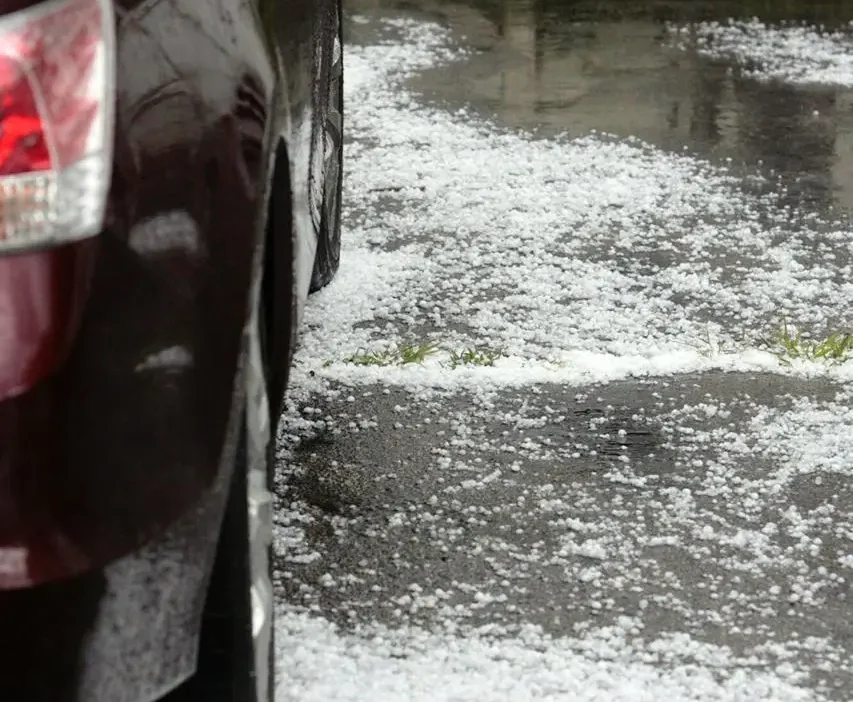
Hydroplaning happens when a layer of water builds between the tires and the road. This layer lifts the tires slightly off the surface. As a result, the tires lose grip and cannot respond to steering or braking.
When a car hydroplanes, it may feel like it is floating. The steering wheel may feel loose or unresponsive. Drivers often notice a sudden loss of control that feels unusual and alarming.
This situation can happen at different speeds. It is more common at higher speeds, but even slower driving is not always safe. Understanding this condition is the first step toward prevention.
How Water Affects Tire Grip
Tires are designed to push water away through small grooves. These grooves help keep the tire in contact with the road. When too much water builds up, the grooves cannot keep up.
Water acts like a barrier between the tire and the road. This reduces friction, which is needed for control. Without friction, steering and braking become less effective.
Road texture also plays a role in grip. Smooth roads tend to hold water longer. Rough surfaces allow water to drain more easily, which helps tires stay in contact.
Common Causes of Hydroplaning
One major cause is driving too fast on wet roads. Speed reduces the time tires have to push water away. This increases the chance of losing contact with the road.
Worn-out tires are another common cause. Tires with low tread depth cannot move water effectively. This makes hydroplaning more likely even in light rain.
Standing water also raises the risk. Puddles and flooded areas create deeper layers of water. Driving through them can quickly lead to loss of control.
Warning Signs to Watch For
A sudden change in how the steering feels is a clear sign. The wheel can get light or loose. This means that the tires are not sticking to the road well enough.
The sound of the tires is another sign. You might hear a change in the noise, like a soft or hollow sound. This could mean that water is making it hard to grip.
The car might also drift or slide a little. It only takes a small change to send a message. Drivers can act quickly if they pay attention to these signs.
The Role of Tire Condition
For safe driving in the rain, you need tires that are up to par. Deep grooves in the tread help water move away from the tire. In this way, the tire stays on the road.
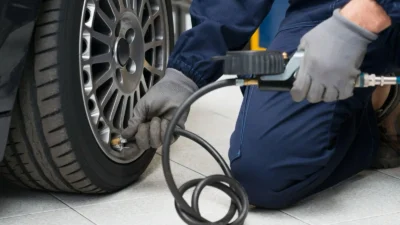
For safety, it is important to do checks often. Check the tires for wear and make sure they have the right tread depth. Not putting enough air in your tires can also make you more likely to hydroplane.
It is important to replace worn tires at the right time. When tires get old, they lose their grip. Accidents are less likely to happen if you keep your tires in good shape.
Speed and Its Impact
One of the most important things that causes hydroplaning is speed. When you go faster, it is harder for the tires to let water out. This makes it more likely that you will lose control.
A simple but useful thing to do is to slow down when it rains. Slowing down even a little can help with grip. It also gives you more time to deal with changes on the road.
Drivers should change their speed based on the road conditions. Be careful when the roads are wet, if it is raining hard, or if you can not see well. Safe speed helps you stay in charge at all times.
Safe Driving Practices in Rain
It is important to stay away from other cars at all times. When roads are wet, it takes longer to stop. Braking is safer when there is more space.
When you drive smoothly, you are less likely to lose control quickly. When you steer and brake gently, you put less stress on the tires. Hydroplaning can worsen when you accelerate.
Drivers need to stay alert and pay attention. Keep an eye on the road in front of you to avoid puddles and other dangers. Driving carefully can make a big difference in how safe you are.
What to Do If Hydroplaning Happens
It is very important to stay calm if hydroplaning happens. When you are scared, you might act quickly in ways that make things worse. Keeping your cool helps you get back in charge.
Taking your foot off the gas is the best thing to do. In this way, the tires can slow down and get back on the road. Do not slam on the brakes.
Gentle and steady steering is what you should do. If you turn too quickly, the car might spin. The safest thing to do is to wait for the tires to reconnect.
Preventive Maintenance Tips
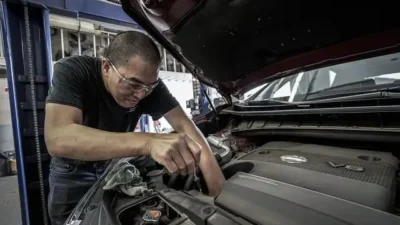
Regularly taking care of your car lowers the chance of hydroplaning. The car stays in good shape by having its tires, brakes, and alignment checked regularly. If you do not deal with small problems, they can get worse.
The wipers on the windshield should also be in good shape. When it rains, you need to be able to see clearly. When drivers have good wipers, they can see and act quickly.
Performing regular checks can lower many risks. Drivers who maintain their vehicles are better prepared. Simple steps can help prevent hydroplaning with expert advice.
Staying in Control on Wet Roads
Drivers should know that hydroplaning is a very dangerous situation. With a few easy steps, you can lower your chances of losing control on wet roads. Maintaining tire health and driving at secure speeds make a big difference.
Noticing warning signs helps drivers act quickly. Staying in control is easier when it is raining because of safe habits and regular maintenance.
Along with staying calm, it is also very important to manage sudden changes. With knowledge and planning, accidents can be avoided, and trips can be kept safe.
Did you like this guide? Great! Please browse our website for more!
Also Read
- Integrating Tech Solutions for Enhanced Manufacturing Efficiency
- Business Network Solutions That Power Reliable Operations
- Why a Home-Like Setting in Senior Living Improves Comfort, Well-Being, and Quality of Life

James is a senior editor at axprassion.com with over a decade of experience in crafting compelling narratives and making complex topics accessible. His articles and interviews with industry leaders have earned him recognition as a key influencer by organisations like Onalytica. Under his leadership, publications have been praised by analyst firms such as Forrester for their excellence and performance. Connect with him on