Men in their forties and fifties frequently describe a cluster of changes that are hard to attribute to anything specific. Energy that does not recover with rest. Strength and muscle mass declining despite unchanged training. Sleep that is less restorative. Mood that is flatter. Motivation that requires more effort than it used to.
These symptoms are real and they have multiple possible explanations. Some are hormonal. Many are not, or are only partly so, and the honest position is that sleep quality, body composition, alcohol, stress, medication effects, thyroid function, and undiagnosed sleep apnea all produce overlapping presentations.
That is why personalized hormone optimization services should begin with a thorough evaluation rather than with treatment. The question of whether hormones are contributing is answerable, and answering it properly is what distinguishes appropriate medical care from a service that treats everyone who walks in.
How Diagnosis Should Work
Testosterone deficiency has diagnostic criteria and they involve more than a single number.
Symptoms must be present. Low laboratory values without corresponding symptoms do not constitute a condition requiring treatment, and treating a number rather than a person is a recognized problem in this area.
Testing should be performed in the morning, when levels are highest, since values fluctuate substantially through the day and an afternoon sample can suggest deficiency that is not there.
Repeat testing is standard. A single low result should be confirmed on a separate occasion, because day-to-day variation is considerable and acute illness or poor sleep can depress a reading temporarily.
Total and free testosterone both matter, since binding protein levels affect how much is biologically available, and a normal total with high binding protein can still leave a man functionally deficient.
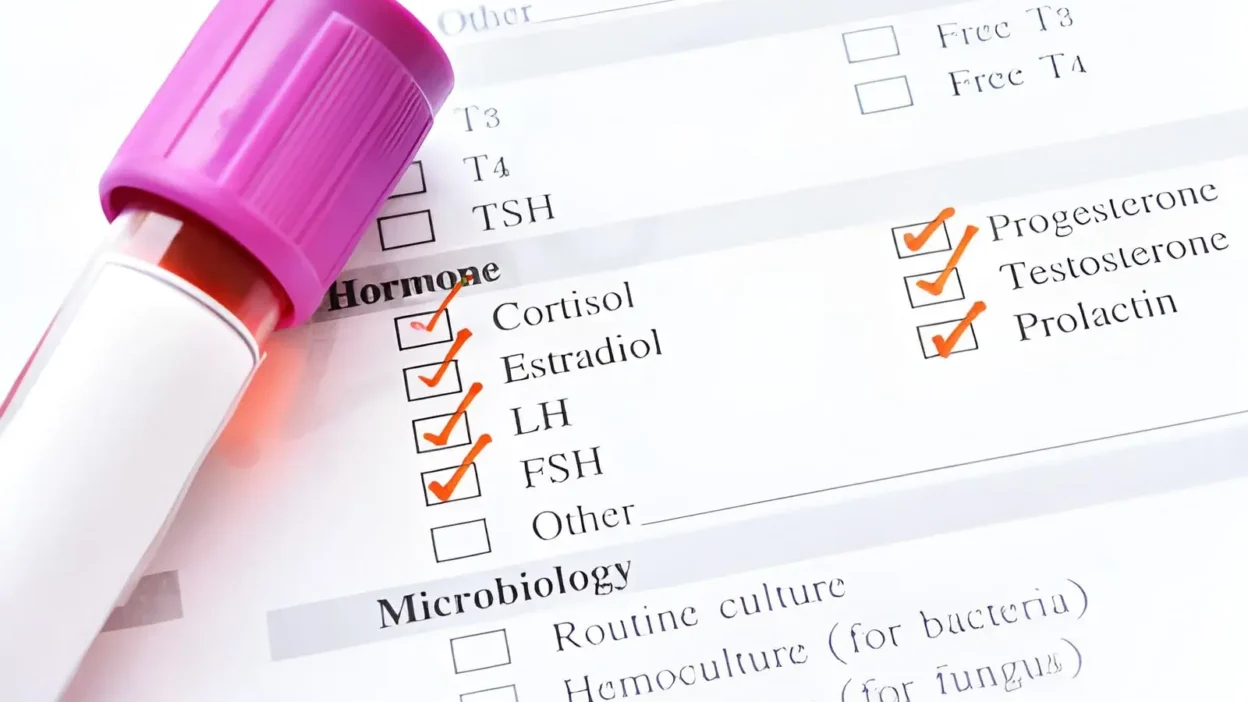
Additional testing belongs in the evaluation, including pituitary hormones to distinguish between testicular and pituitary causes, since the distinction affects both treatment and what else should be investigated.
Broader assessment matters, covering thyroid function, blood count, metabolic markers, and other findings that either explain the symptoms or affect treatment decisions.
A clinician who prescribes on the basis of one test and a questionnaire is not conducting an evaluation.
Considering the Alternatives First
Several conditions produce similar symptoms and respond to different treatment.
Sleep apnea is remarkably common, frequently undiagnosed, and produces fatigue, mood changes, and reduced libido. It also suppresses testosterone, which means treating the apnea sometimes resolves the hormonal finding.
Thyroid dysfunction overlaps substantially in presentation and requires entirely different management.
Depression shares many symptoms and is both common and treatable.
Medication effects, including from several widely prescribed drug classes, can suppress hormone levels or produce similar symptoms directly.
Metabolic factors, particularly excess body fat, affect hormone levels through mechanisms that can improve substantially with weight reduction.
Alcohol, chronic stress, and insufficient sleep all affect hormonal function, and addressing them sometimes resolves the problem without medication.
A good evaluation considers these rather than proceeding directly to a prescription, and a clinician who raises them is doing the job properly.
What Treatment Involves and What It Costs
For men with genuine deficiency, treatment can produce meaningful improvement. It also carries considerations that deserve discussion before starting.
Fertility suppression is the consideration most often underexplained. Exogenous testosterone suppresses the body’s own production and can substantially reduce sperm production, which matters for any man who may want children. Alternative approaches exist for men in this situation and should be discussed.
Red blood cell production increases, and elevated haematocrit requires monitoring and sometimes dose adjustment, since it carries its own risks.
Prostate monitoring is standard practice, with baseline assessment and periodic follow-up.
Cardiovascular considerations have been studied extensively with evolving conclusions, and current evidence is more reassuring than earlier concerns suggested, though this remains a discussion to have based on individual history.
Treatment is typically long-term. Stopping generally means symptoms return, sometimes worse temporarily while natural production recovers, and this should be understood as a commitment rather than a trial.
Ongoing monitoring is not optional. Levels, blood count, and other markers require periodic testing, and a provider who prescribes without scheduled follow-up is not managing treatment properly.
Questions Worth Asking a Provider
A few questions reveal how a clinic operates.
What testing do you require before prescribing, and will you repeat it?
What else will you evaluate to rule out other causes?
What monitoring schedule do you follow, and what do you check?
How do you handle fertility concerns?
What would make you decide treatment is not appropriate for me?
Who supervises the clinical care, and what is their background?
The last question matters. A provider who cannot describe circumstances in which they would decline to treat is describing a sales process rather than a clinical one.
The Things That Work Regardless
Whether or not hormone treatment is appropriate, several factors affect how men in midlife feel, and they are worth attention either way.
Resistance training has well-documented effects on strength, body composition, and hormonal function, and no medication substitutes for it.
Sleep quality and duration affect hormone production directly, and chronic insufficiency suppresses it measurably.
Body composition matters, since excess adipose tissue affects hormone metabolism, and improvement here sometimes resolves borderline findings.
Alcohol reduction has a measurable effect for men drinking heavily.
Stress management affects the broader endocrine picture.
These are not alternatives offered to avoid treatment. They improve outcomes for men on treatment and sometimes make treatment unnecessary, and a provider who discusses them is treating the person rather than the laboratory value.
Also Read
- Top Skin Rejuvenation Techniques for a Radiant Glow
- Timeless Sneaker Styles Worth Wearing Every Season
- Exploring Body Contouring and Its Impact on Fashion Confidence

James is a senior editor at axprassion.com with over a decade of experience in crafting compelling narratives and making complex topics accessible. His articles and interviews with industry leaders have earned him recognition as a key influencer by organisations like Onalytica. Under his leadership, publications have been praised by analyst firms such as Forrester for their excellence and performance. Connect with him on