
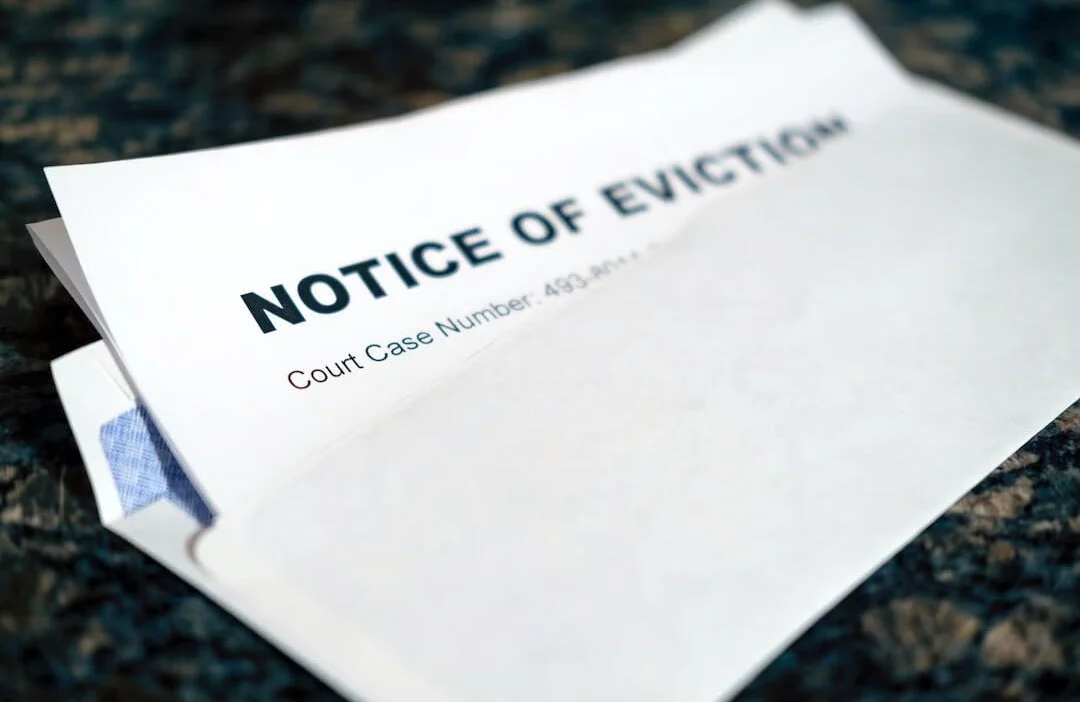
Evicting a tenant is a legal process that landlords need to handle carefully. It is not enough to simply ask someone to leave the property.
Each state and city may have different rules about notices, court steps, and tenant protections. Missing one step can delay the case or create extra legal problems.
For that reason, landlords should stay organized and follow the law from the start. Clear records and proper notice can make the process easier to manage.
Start With the Correct Legal Notice
The first step is usually giving the tenant a written notice. The type of notice depends on the reason for the eviction.
For example, a landlord may need to give notice for unpaid rent, a lease violation, or the end of a rental term. The notice must often include specific details and deadlines.
It is important to use the correct form and delivery method. Rules may explain whether the notice must be handed to the tenant, mailed, or posted at the property.
Landlords should check local requirements before moving forward. A mistake in the notice may mean the process has to start again.
Keep Clear Records and Documents
Good records can become very important if the case goes to court. Landlords should keep copies of the lease, payment records, notices, and written messages.
It also helps to keep notes about missed payments, repair requests, or lease problems. Dates should be recorded as clearly as possible.
Photos may be useful if the issue involves property damage or unsafe conditions. Make sure the images are dated and connected to the problem being discussed.
Organized records can help explain the situation more clearly if a judge needs to review the case.
File the Case Through the Court
If the tenant does not follow the notice, the landlord may need to file an eviction case in court. This is often the next formal step in the process.
The exact filing rules depend on the location. Landlords handling Los Angeles court filings should make sure the correct forms, deadlines, and local court procedures are followed.
After filing, the tenant usually has the right to receive notice of the case and respond. A hearing may then be scheduled.
The landlord should be ready to present the lease, notices, payment records, and other documents that support the case.
Respect Tenant Rights During the Process
Tenants have legal rights even when eviction is being considered. Landlords should avoid actions such as changing locks, removing belongings, or shutting off utilities without legal authority.
Some tenants may challenge an eviction by raising issues such as poor living conditions, retaliation, or improper notice.
For this reason, landlords should stay professional and avoid emotional arguments. Written communication is often easier to track and prove later.
If the case is complicated, legal advice may help. A landlord-tenant attorney can explain local rules and help reduce the risk of mistakes.
Conclusion: Follow the Process Carefully
Tenant eviction can be stressful, but a clear legal process can make it easier to manage.
Start with the correct notice, keep strong records, follow court procedures, and respect tenant rights at every stage.
Because eviction laws vary by location, landlords should avoid guessing about deadlines or forms. Careful preparation can help protect the property while also reducing legal risk.
Read more: Life After Bankruptcy: Financial Recovery and Credit Rebuilding Strategies in Orlando and Kissimmee
How Long Does Paint Protection Film Really Last? A Realistic Guide for Car Owners
Handcrafted Exotic Accessories That Instantly Turn Heads