
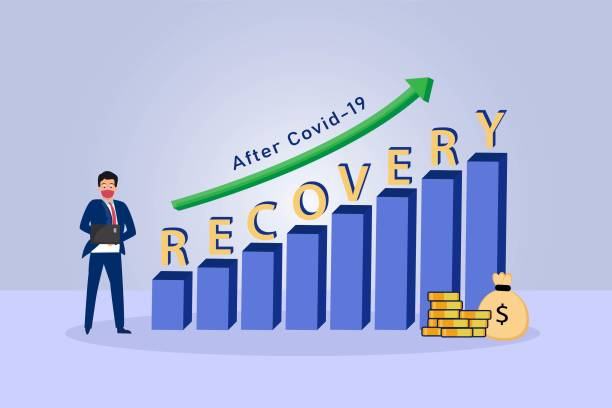
You might be feeling like your life is split into two parts right now. There was the “before” when bills were still hard but at least you felt in control, and now the “after” where the word “bankruptcy” and the search for bankruptcy attorneys orlando sits in the back of your mind every time you check your bank account, open your mail, or think about your future.
Maybe you are in Orlando or Kissimmee, driving past new apartments or car lots and wondering if anyone will ever approve you again. Maybe you are worried about your kids, your partner, or even what your friends would think if they knew. You might be asking yourself a painful question. “Did I ruin my future?”
You did not ruin your future. Bankruptcy is a reset, not a life sentence. There are clear, practical ways to rebuild credit, protect your income, and move toward stability again. You can learn how credit works after bankruptcy, what lenders look at, how to avoid falling into the same traps, and when a bankruptcy lawyer in Central Florida can help you protect the progress you are making.
So where does that leave you right now? It leaves you at the starting line of a new financial chapter. Not easy, not instant, but absolutely possible.
What really changes after bankruptcy, and why does it feel so heavy?
Bankruptcy does more than wipe or reorganize debt. It affects how you see yourself. Many people in Orlando and Kissimmee describe the same cycle. First there is relief that the calls and lawsuits stop. Then there is fear about the future. Then there is shame that lingers much longer than it should.
On the practical side, here is what you are facing after a Chapter 7 or Chapter 13 discharge. Your credit score has probably dropped. Your bankruptcy will show on your credit report for years. Some lenders will say “no” immediately. Renting an apartment, financing a car, or qualifying for a low interest credit card may be harder. Insurance companies and employers in some industries may look at your credit report as part of their decisions.
Emotionally, you may be second guessing every money decision. You might feel scared to use any credit at all, even when responsible credit use is exactly what can help you rebuild. Because of this tension, you might wonder how anyone ever recovers from bankruptcy.
People recover every day. The key is to understand how the system works, then use it in your favor instead of feeling trapped by it. If you want a clear overview of how bankruptcy itself works, you can review the federal court system’s guide on bankruptcy basics. It can give you context for what has already happened and what your discharge really means.
What specific challenges will you face in Orlando or Kissimmee, and how can you respond?
Think about a common scenario. You received your discharge a few months ago. You are current on your utilities and maybe your rent. You need a reliable car to get to work, so you apply for an auto loan. The dealer runs your credit and either denies you or offers a loan with a very high interest rate. You walk out feeling defeated and angry at yourself for needing the bankruptcy in the first place.
This is the “agitation” part of the story. You did the hard thing, went through court, answered questions, maybe even attended a hearing. Now you feel like you are paying for it again with higher costs and fewer choices.
The financial challenges often show up in a few clear ways.
First, limited access to credit. Many mainstream lenders have rules about recent bankruptcies. That does not mean “never.” It means you may need to start with smaller, more controlled products like secured credit cards or credit builder loans.
Second, higher costs. When lenders view you as higher risk, they may charge higher interest. That can make everything feel more expensive. This is why comparing offers and reading every term is so important now. One rushed signature can undo months of progress.
Third, local cost of living pressure. Central Florida has seen rising housing and living costs. After bankruptcy, there is less room for surprise expenses. A car repair, a medical bill, or a slow month at work can shake your confidence. Planning for those surprises is part of your recovery strategy.
So what is the solution side of this story. It is a mix of education, structure, and support. You build a realistic budget that matches life in Orlando or Kissimmee. You use specific tools to rebuild credit in a controlled way. You stay alert to red flags, like “credit repair” companies that promise to erase your bankruptcy. And when you are unsure, you speak with a bankruptcy lawyer or financial professional before you commit to something that could hurt you.
If you filed in the Middle District of Florida, you can learn more about your rights and responsibilities from the court’s own resource on Florida bankruptcy basics. Understanding the rules can help you feel less at the mercy of the system.
Should you try to rebuild credit alone or seek professional guidance?
You absolutely can manage your recovery on your own. Many people do. The question is not “Can I?” It is “What is the smartest way for me, given my stress level, time, and past money habits?” For some, doing everything alone leads to avoiding the problem. For others, it builds confidence. It helps to compare the two paths.
| Approach | What it looks like in real life | Benefits | Risks or limits |
| DIY credit rebuilding after bankruptcy | You read guides, pull your own credit reports, open a secured card, and track your budget with a spreadsheet or app. | Low cost. Full control. You learn deeply how your money and credit work. | Easy to miss mistakes on your reports. Tempting offers can derail you. No one double checks your plan. |
| Working with a financial coach | You meet monthly with a coach to set goals, create a spending plan, and choose rebuilding tools. | Accountability. Emotional support. Customized plan for your life in Orlando or Kissimmee. | Coaching is not regulated like law. Quality varies. Some charge more than you can afford. |
| Consulting a bankruptcy attorney after discharge | You check in with a lawyer when you face big decisions like lawsuits, wage garnishments, or new debt issues. | Legal protection. Clear answers about what creditors can and cannot do. Helps prevent new legal trouble. | Not a daily money manager. You still need to handle your budget and spending choices. |
| “Quick fix” credit repair companies | They promise to erase negative items fast for a fee, often over the phone or online. | Sounds easy. Very little effort on your part. | Many are misleading or harmful. They cannot legally remove accurate bankruptcy information. High risk of wasted money. |
There is no single right answer. Some people start with a do it yourself approach for daily money decisions, then bring in a professional when something new or scary comes up. What matters is that you choose support that respects your situation and does not pressure you into quick fixes.
What practical steps can you take today to rebuild after bankruptcy?
You do not need to fix everything at once. Focus on a few actions that create stability first, then build from there.
1. Build a “no shame” budget that fits real life in Central Florida
Start where you are, not where you wish you were. List your true take home income. Then list your core expenses. Housing, utilities, food, transportation, basic medical costs, childcare if you have it. Be honest about things like gas, tolls on the 417 or 528, and those small daily expenses that sneak in.
Give every dollar a job. Some for bills, some for savings, even if it is ten dollars at a time, and some for small joy. A budget that leaves zero room for joy usually breaks after a few weeks. Your goal is sustainability, not punishment.
Revisit this budget monthly. Prices change. Hours at work shift. Life in Orlando and Kissimmee is not static. When you adjust your budget instead of ignoring it, you stay in control.
2. Use credit again, but in a safe and structured way
It may feel safer to swear off credit forever. The problem is that lenders judge you by how you use credit now, not just by your past. To rebuild, you need a track record of on time payments and low balances.
Consider starting with a secured credit card from a reputable bank or credit union. You place a deposit, for example 300 dollars, which usually becomes your limit. Use it for one or two small, predictable expenses such as a streaming service or gas. Pay it in full every month, on time. This creates positive payment history without tempting you into large purchases.
Another option is a credit builder loan through a credit union. They “lend” you money that stays in a locked savings account. You make monthly payments. At the end, you receive the money and have a history of on time payments on your credit report.
Check your credit reports from all three bureaus at least once a year. Make sure your discharged debts show correctly and that there are no new errors. If something looks wrong, dispute it in writing. This is a core part of any plan for life after bankruptcy and credit rebuilding.
3. Protect yourself from new legal and financial trouble
Recovery is not just about building. It is also about protecting what you are building. If a debt collector contacts you about a debt that was included in your bankruptcy, do not ignore it. Keep records of your bankruptcy case number and discharge date. You may need to show that a debt is no longer collectible.
If you are facing wage garnishment, a lawsuit, or threats of repossession, do not guess about your rights. That is the time to reach out for legal advice. Even after your case is over, a bankruptcy lawyer can explain whether a creditor is crossing the line or whether you have options to challenge what they are doing.
Protect yourself from scams as well. Be wary of anyone who promises to erase your bankruptcy, create a “new credit identity,” or guarantee approval if you just pay a fee. Those offers often lead to fraud or new debt that is even harder to escape.
What does hope look like after bankruptcy?
Hope does not always look dramatic. It often looks like three months in a row of bills paid on time. It looks like a small emergency fund that covers a flat tire so you do not need a payday loan. It looks like checking your credit score and seeing it move up, even if it is by a few points.
You are allowed to want more than survival. You are allowed to dream about owning a home in Central Florida one day, or buying a car without a painful interest rate, or taking a modest vacation without putting it on a card. Those goals may take time, but they are not off limits because of your past bankruptcy.
You have already done something very hard. You faced your debt and went through a legal process that many people avoid for years. Now your job is not to punish yourself. Your job is to learn, plan, and take steady steps toward the life you want.
You do not have to walk that path alone. If you feel stuck, confused, or worried that a new decision could put you back in trouble, reach out to a trusted professional in Orlando or Kissimmee who understands financial recovery after bankruptcy and can guide you through your options. Your fresh start is real. Now it is time to protect it and grow from it, one clear choice at a time.
Read more: How Long Does Paint Protection Film Really Last? A Realistic Guide for Car Owners
Handcrafted Exotic Accessories That Instantly Turn Heads
How To Tell If You Have A Medical Malpractice Case