
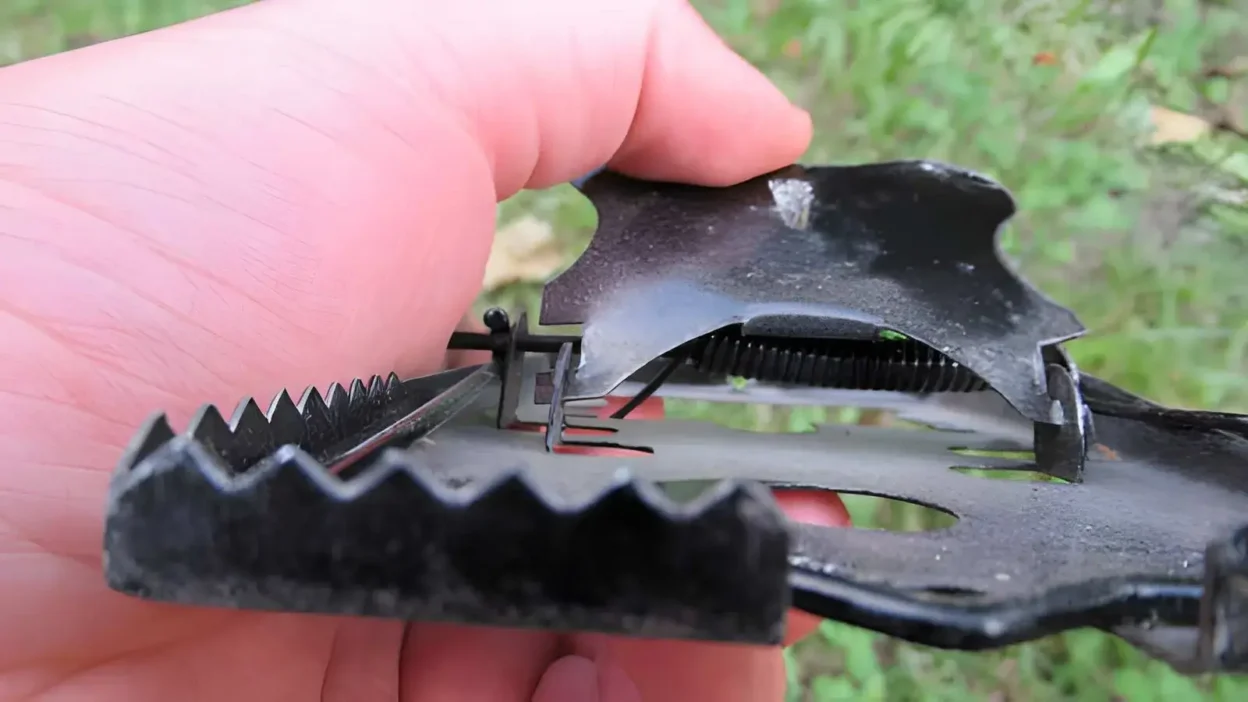
The Trap Usually Looks Like Help
High interest traps rarely announce themselves as traps. They usually arrive looking like relief. Fast cash. Easy approval. No long application. Money by tomorrow. A payment small enough to fit into this week’s panic. When you are under pressure, those promises can feel less like marketing and more like rescue.
That is what makes high interest debt so dangerous. The product may solve an immediate shortage, but it can create a larger problem behind it. You borrow to get through Friday, then the fees and interest make the next Friday harder. The debt does not simply sit there. It grows, pulls, and reshapes your future cash flow.
For business owners, this can be especially tempting when payroll, inventory, rent, or vendor payments are coming due. A quick loan may feel like the only move, but if the cost is too high, it can weaken the business instead of stabilizing it. When debt has already become difficult to manage, resources like business debt relief may help people understand possible paths forward.
High Interest Debt Attacks the Principal
The clearest sign of a high interest trap is that your payments do not seem to move the balance. You pay, but the debt barely shrinks. Sometimes it even grows.
That happens because interest and fees take the first bite. The principal, which is the original amount borrowed, only goes down after those costs are covered. If the rate is extremely high, or if fees keep getting added, the borrower can stay stuck paying for access to money rather than actually paying the money back.
This is why the monthly payment alone can be misleading. A payment may look affordable while the total cost is brutal. The real question is not just, “Can I make this payment?” It is, “How much will this cost me from start to finish, and how quickly will the principal go down?”
Payday Loans Show the Pattern Clearly
Payday loans are one of the most obvious examples of a high interest trap. They are usually small, short term loans meant to be repaid from a future paycheck. The amount may seem manageable, but the fee structure can create an enormous annual percentage rate.
The Federal Trade Commission explains that payday lenders often charge $10 to $30 for every $100 borrowed, and that a typical two week payday loan with a $15 fee per $100 equals an APR of 391 percent in its guide to payday and car title loans. That number matters because it shows the true cost of borrowing when short term fees are translated into yearly terms.
People do not usually choose these loans because they are careless. They choose them because they need cash quickly. But a loan designed around urgency can become a cycle if repayment creates the next cash shortage.
The Warning Signs Are Often in the Fine Print
High interest traps usually have a few warning signs. The lender focuses heavily on speed and approval, but not on total cost. The payment seems simple, but the fees are confusing. The interest rate is hard to find. The loan renews, rolls over, or extends in a way that adds more costs. The lender does not clearly explain what happens if you cannot pay on time.
Another warning sign is pressure. If a lender acts like you must decide immediately, slow down. Responsible borrowing should include time to read, compare, and ask questions.
The FDIC notes that payday loans are often priced as fixed dollar fees, but because they are short term, the cost expressed as an APR can be very high in its explanation of payday lending risks. This is why borrowers should look beyond the dollar fee and ask what the cost really means.
A $45 fee may not sound extreme until you realize it is attached to a small loan for a very short period. Context changes everything.
Credit Cards Can Become Traps Too
Payday loans get attention, but credit cards can also become high interest traps when balances carry over month after month. A credit card used as a payment tool can be convenient. A credit card used as a long term loan can become expensive fast.
The trap usually starts with minimum payments. The minimum keeps the account current, but it may not reduce the balance much. If new purchases continue while interest builds, the card becomes a revolving debt machine.
This does not mean credit cards are bad. They can help with convenience, protections, rewards, and credit history when used carefully. The problem is carrying balances at high rates without a payoff plan. Once interest becomes part of the monthly routine, it quietly claims money that could have gone toward savings, bills, business growth, or peace of mind.
Cash Flow Problems Make Traps More Appealing
High interest traps often appear when cash flow is weak. The issue may not be one huge mistake. It may be timing.
Maybe income arrives after bills are due. Maybe business revenue is seasonal. Maybe a household has no emergency fund. Maybe irregular expenses keep showing up as surprises even though they are actually predictable. Car repairs, taxes, insurance premiums, medical costs, inventory needs, and slow customer payments can all create pressure.
When cash flow is tight, expensive borrowing can feel like a bridge. But if the bridge charges too much to cross, you may arrive on the other side weaker than before.
That is why spotting the trap requires looking at the next step, not just the current emergency. Ask, “After I repay this, will I be more stable or less stable?” If the honest answer is less stable, the loan may be postponing the crisis rather than solving it.
The “Fast Money” Test
Before taking any high cost loan, run it through a simple test.
First, ask what the total repayment amount will be. Not just the payment. The full amount.
Second, ask what the APR is. If the lender avoids the question or buries the answer, treat that as a warning.
Third, ask what happens if you cannot pay on time. Look for rollover fees, late fees, penalty rates, automatic withdrawals, collateral loss, or collection activity.
Fourth, ask whether a cheaper option exists. This might include negotiating a bill, asking for a payment plan, using savings, delaying a nonessential expense, selling unused items, requesting more time from a vendor, or exploring a lower cost loan through a bank or credit union.
Finally, ask whether the loan fixes the cause of the shortage. If it does not, you need a repayment plan and a prevention plan.
Businesses Need to Watch Daily Debt
For businesses, high interest traps can hide inside merchant cash advances, short term online loans, daily repayment products, and expensive lines of credit. The repayment may come out automatically each day or week, which can make the debt feel invisible until cash gets tight.
These products may be marketed as flexible funding, but the real cost can be difficult to compare unless the owner calculates total repayment, fees, and the effect on daily cash flow.
A business should be cautious when a lender cares more about access to deposits than the company’s ability to grow sustainably. Debt should help the business become stronger. If the repayment schedule starves operations, it may be doing the opposite.
A Safer Plan Starts Before the Emergency
The best way to avoid high interest traps is to prepare for pressure before it arrives. That means building even a small emergency fund, tracking upcoming irregular expenses, keeping a clear budget, and reviewing cash flow often.
For businesses, it may mean keeping a rolling cash forecast, separating tax money, tightening invoicing systems, reviewing expenses, and maintaining relationships with more affordable lenders before money is urgently needed.
The goal is not to avoid borrowing forever. Sometimes borrowing is useful. The goal is to avoid borrowing from panic. Panic usually accepts terms that patience would question.
You Are Not Powerless Against the Trap
High interest debt traps work because they combine urgency, confusion, and emotional pressure. The way out starts with slowing the decision down enough to see the full cost.
Look past the promise of quick relief. Read the terms. Calculate the total repayment. Watch how much of each payment goes toward principal. Notice whether the debt creates more breathing room or less.
A high interest trap does not always look dramatic at the beginning. Sometimes it looks like a small fee, a quick approval, or a payment you think you can handle. But if the debt keeps you paying without real progress, it is not a solution. It is a warning.
The more clearly you can spot that warning, the better your chances of protecting your money, your business, and your future choices.
Also Read-Professional Sanitation Solutions for Business Facilities

James is a senior editor at axprassion.com with over a decade of experience in crafting compelling narratives and making complex topics accessible. His articles and interviews with industry leaders have earned him recognition as a key influencer by organisations like Onalytica. Under his leadership, publications have been praised by analyst firms such as Forrester for their excellence and performance. Connect with him on