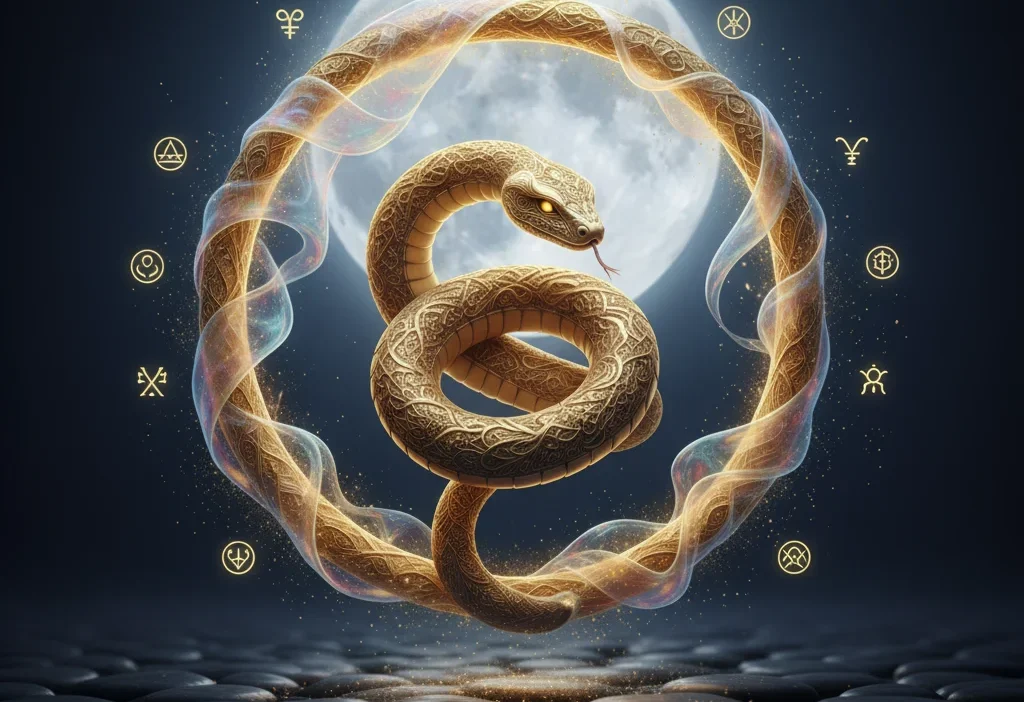
If you’ve ever come across a coiled serpent on ancient jewelry, temple walls, or spiritual tattoos, you might have wondered what it really means.
The snake symbol meaning goes far beyond fear or danger — it represents rebirth, transformation, and the mysterious balance between life and death.
For thousands of years, humans have viewed the snake as both sacred and threatening — a creature that slithers between the worlds of shadow and light. From Egyptian crowns to modern tattoos, its symbolism has evolved but never lost power.
Let’s explore why this ancient reptile continues to hold such deep psychological, cultural, and spiritual meaning across the world.
🌀 What Does the Snake Symbolize?
At its core, the snake represents change, transformation, fertility, and healing.
Because it sheds its skin, it has long been seen as a symbol of renewal and evolution — proof that life is an endless cycle of death and rebirth.
The snake’s quiet and unpredictable movements also make it a symbol of intuition, mystery, and hidden strength. It embodies duality — both creation and destruction, wisdom and temptation:
🌍 Cultural and Historical Symbolism of the Snake
The snake appears in myths, legends, and religions across continents — often as both a destroyer and a healer.
🏺 Ancient Egypt
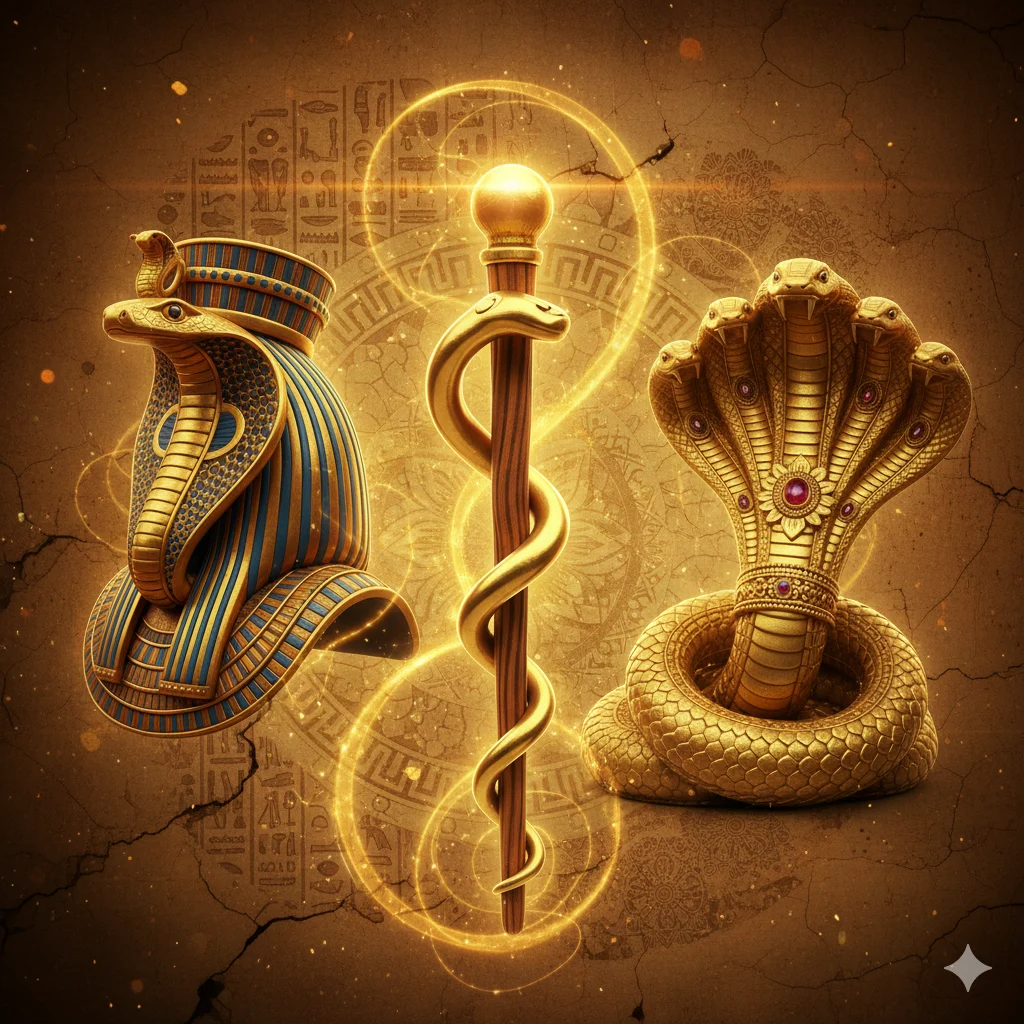
The cobra, known as uraeus, adorned pharaohs’ crowns as a symbol of divine authority and protection. The goddess Wadjet, often shown as a rearing cobra, guarded Egypt’s rulers. For Egyptians, the serpent was not just a creature of fear but a sign of royal wisdom and eternal vigilance.
🏛️ Greece and Rome
In Greek mythology, the Rod of Asclepius, a serpent-entwined staff, represents medicine and healing — still used as a medical symbol today. The snake’s ability to shed its skin inspired ideas of renewal, immortality, and vitality.
🕉️ Hinduism
In Hindu culture, snakes or Nāgas hold spiritual power. The coiled serpent represents Kundalini energy, lying dormant at the base of the spine, waiting to rise and awaken enlightenment. Lord Shiva, the destroyer and transformer, wears serpents around his neck — showing mastery over desire and fear.
✝️ Christianity
The snake in the Garden of Eden tempts Eve, symbolizing sin, temptation, and the pursuit of forbidden knowledge. Yet, in another sense, the serpent also carries the message of wisdom — reminding us that truth can both liberate and test us.
🌎 Indigenous Cultures
Many Native and Mesoamerican tribes see the snake as a symbol of fertility, protection, and balance. The Feathered Serpent (Quetzalcoatl) in Aztec culture symbolizes both the sky and the earth — a divine being of creation, knowledge, and power.
💭 Psychological Meaning: The Inner Power of the Snake Symbol
From a psychological viewpoint, the snake represents the unconscious, the hidden power within every human being.
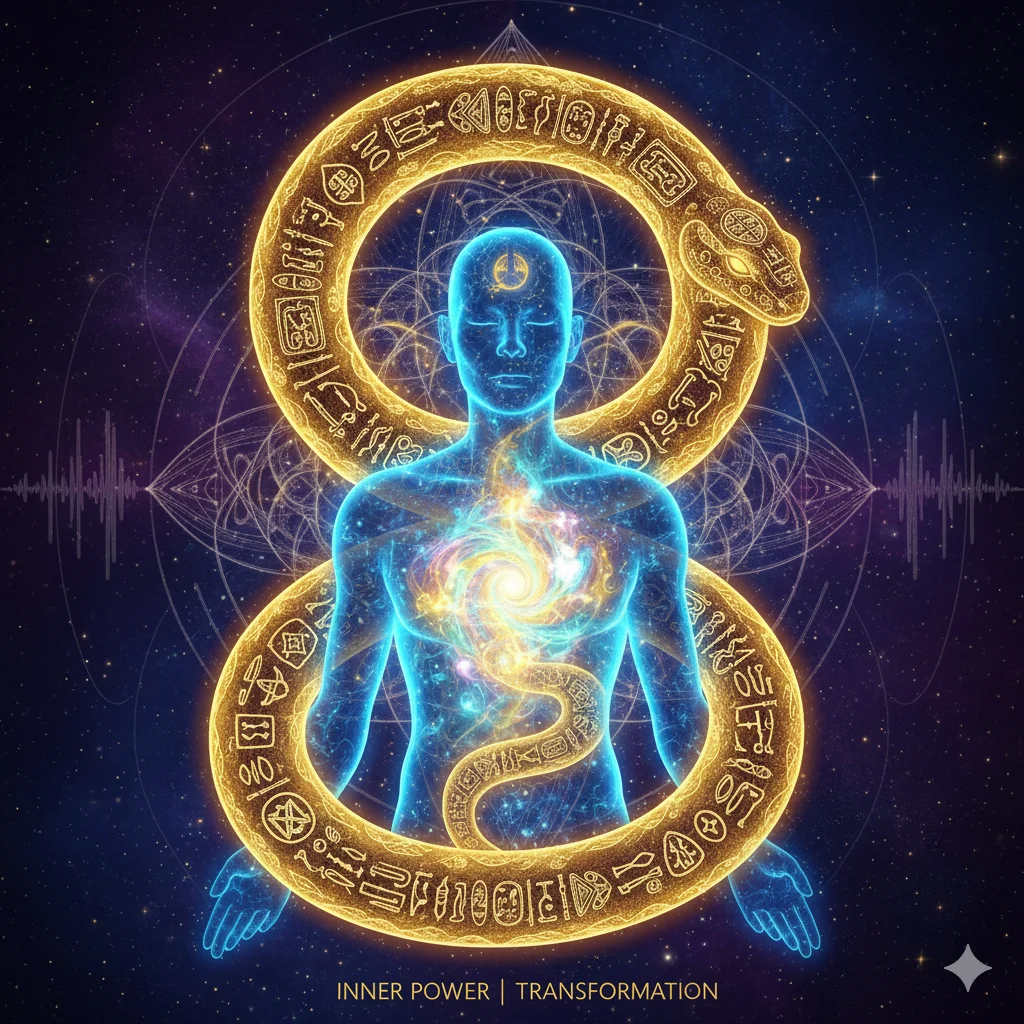
Carl Jung viewed the serpent as an archetype of transformation — a metaphor for the energy that pushes the self toward wholeness. When a snake appears in dreams or symbols, it often signals change, rebirth, or the awakening of suppressed emotions.
The snake’s motion — coiling, striking, and shedding — mirrors the cycles of the human psyche: fear, confrontation, release, and renewal.
Modern psychology even connects the snake with sexual energy, intuition, and primal instinct. It represents the deep, emotional power that lies dormant within, waiting to be consciously awakened.
🔮 Spiritual Meaning of the Snake
The spiritual meaning of a snake often revolves around the flow of energy and consciousness. In many belief systems, the serpent connects heaven and earth, symbolizing the path of spiritual awakening.
🕊️ 1. Rebirth and Renewal
The shedding of the snake’s skin represents letting go of old identities, making space for new beginnings. Spiritually, this process mirrors personal growth and emotional healing.
💫 2. Healing and Medicine
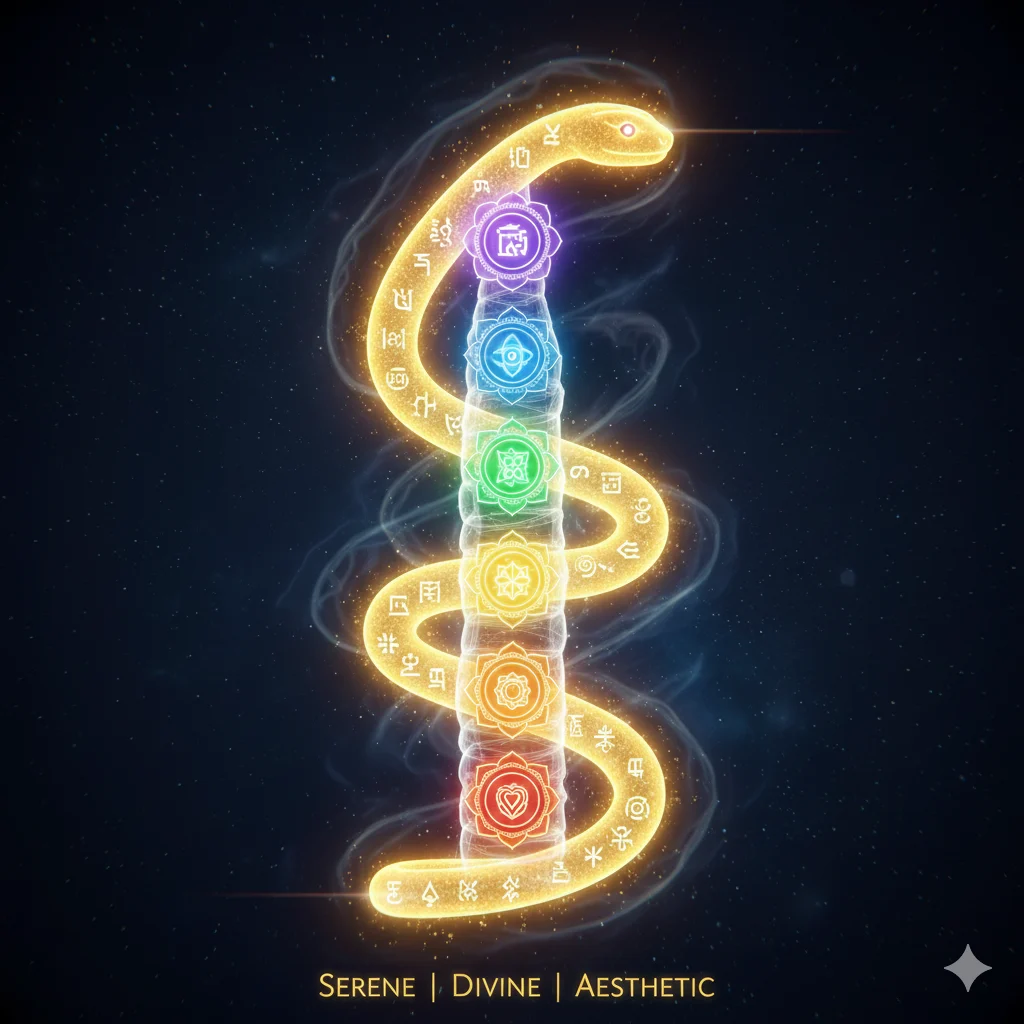
The caduceus (two snakes wrapped around a staff) is still used as a symbol of medicine and vitality. The serpent’s cyclical renewal process aligns with healing, both physical and emotional.
🌈 3. Duality and Wisdom
Spiritually, the snake teaches balance — between light and shadow, creation and destruction, ego and awareness. Its symbolism reminds us that wisdom often comes from embracing both sides of ourselves.
🔥 4. Awakening (Kundalini Energy)
In yoga and mysticism, the Kundalini serpent represents spiritual energy coiled at the base of the spine. As it rises through meditation, it activates higher consciousness and enlightenment.
🌌 Snake Symbolism in Dreams
Dreaming about snakes can trigger fear — but symbolically, it often means deep transformation or emotional awakening.
Here’s what different snake dreams may indicate:
- A shedding snake: letting go of pain or past experiences.
- A coiled snake: suppressed potential or creative energy.
- A snake bite: confrontation with truth or betrayal.
- A colorful snake: spiritual growth or intuition.
- A dead snake: closure, peace, or healing from toxicity.
Snake dreams reflect inner change, not external threat — they symbolize movement, renewal, and hidden truths rising to awareness.
🐉 The Snake as a Symbol of Power and Control
Beyond spirituality, snakes represent intelligence, adaptability, and control.
Unlike predators that rely on force, the snake uses patience, precision, and timing — teaching lessons in strategic power.
Many cultures revere snakes as guardians of sacred spaces, protectors of wisdom, or carriers of secret knowledge. Even today, the snake is seen as a totem for people who are resilient, intuitive, and strong through silence.
🎨 Modern Symbolism and Pop Culture
In today’s art, tattoos, and fashion, the snake symbol continues to thrive.
A snake tattoo can mean transformation, courage, and self-protection. In fashion, brands like Gucci use serpents to express elegance mixed with rebellion, merging ancient mystery with modern luxury.
Online, the 🐍 emoji represents everything from sass and power to betrayal or resilience — proof that the snake’s symbolism adapts effortlessly to every generation.
✨ Final Thoughts: Why the Snake Symbol Endures
The snake symbol meaning has never been simple — and that’s what makes it timeless. It carries both fear and fascination, danger and wisdom, death and renewal.
In a world that’s constantly changing, the snake reminds us that growth requires shedding — that transformation is not a threat, but a sacred necessity.
Whether carved in ancient temples or inked on modern skin, the serpent whispers the same eternal truth: renewal is the essence of life.
📚 FAQs About Snake Symbol Meaning
1. What does the snake symbolize spiritually?
It represents transformation, healing, awakening, and the cycle of rebirth.
2. Is seeing a snake a bad omen?
Not always. In many traditions, it’s a sign of protection, power, or personal evolution.
3. What does a snake in a dream mean?
It symbolizes emotional change, renewal, or repressed energy seeking release.
4. Why does the snake symbolize rebirth?
Because of its shedding skin, which mirrors the human journey of transformation.
5. What does a snake tattoo mean?
It often signifies strength, resilience, and the courage to face inner change.

Oscar Wilde combined wit, beauty, and deep symbolism to reveal the spiritual contrasts of human life. His works often reflect the journey of the soul — from desire and art to truth and redemption. Wilde’s timeless reflections remind readers that beauty and wisdom are paths to understanding the divine within.